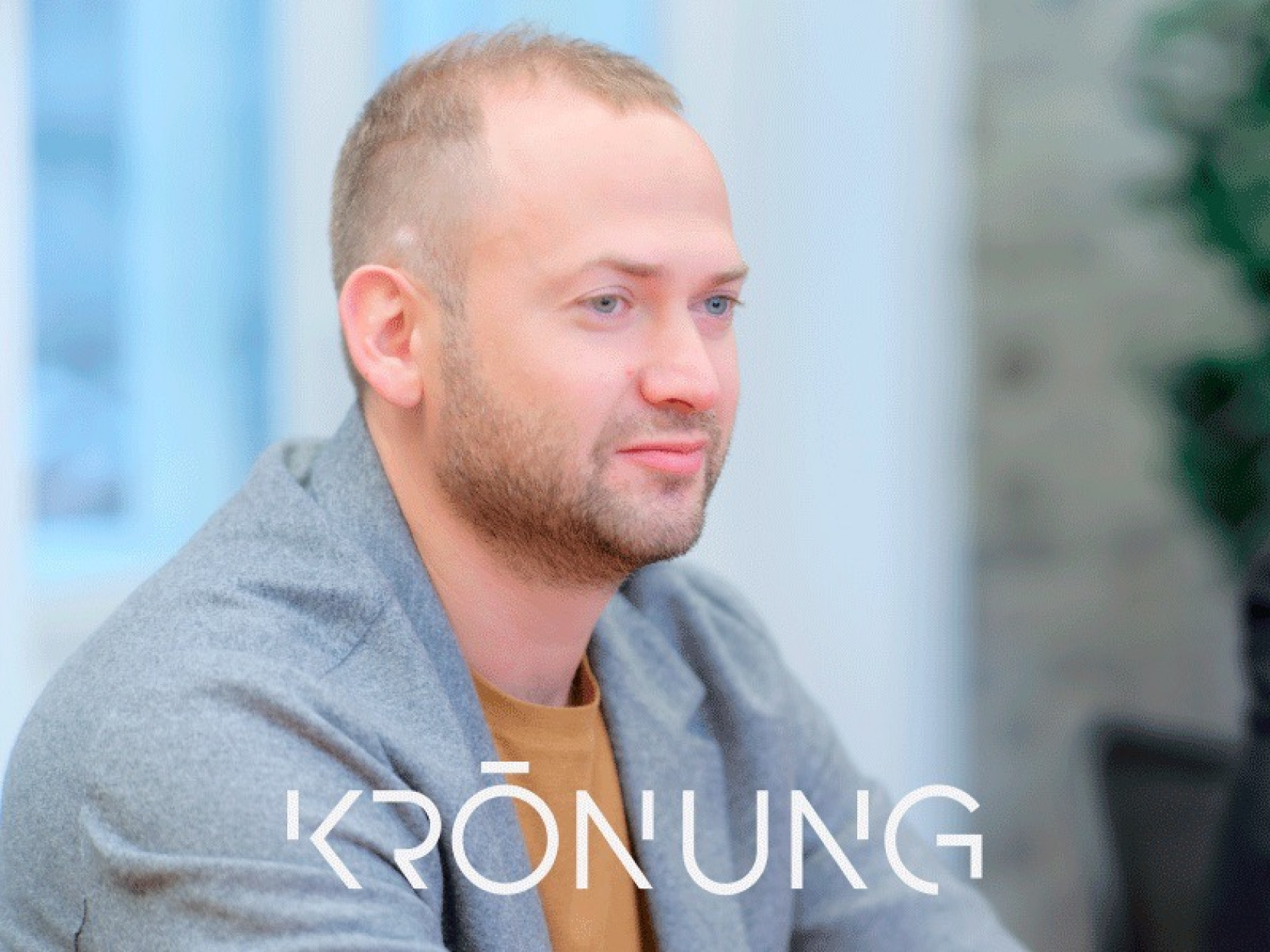
Philipp Shrage, Co-Founder of Kronung Group: Reputation in Real Estate is a Measurable Asset
Published By Europa [English], Sun, Oct 18, 2026 3:40 AM
“Reputation isn’t what people say about you. It’s where the money goes,” says Philipp Shrage, co-founder of Kronung Group.
By Philipp Shrage, Co-Founder of Kronung Group
In real estate development, reputation has long lived in the world of hearsay. One developer is seen as “reliable,” another as “creative but slow,” and a third as “strong on design, but prone to cost adjustments.” But the era of vague impressions is ending. Reputation is now a measurable asset—expressed in numbers, documented by outcomes, and as quantifiable as a company’s cash flow.
“Reputation isn’t what people say about you. It’s where the money goes,” says Philipp Shrage, co-founder of Kronung Group.
The Economics of Trust
For Kronung Group, reputation isn’t a soft factor—it’s an investment argument. When a bank approves project financing, when investors commit not just once but repeatedly, when a retailer signs a lease before the first concrete pour—those are hard indicators of trust.
“Repeat investments aren’t gestures of loyalty. They are expressions of trust, backed by liquidity,” Philipp Shrage notes.
Every Kronung project is tracked through a real-time investment dossier, with actual results measured against projected metrics—IRR, ROI, DSCR, and cash flow stability. When deviations are minimal, that reflects mature risk control and operational discipline.
Timelines: Not Just Promises, But Reputation in Action
On-time delivery is one of the most visible signs of reliability. At Kronung, we apply Earned Value Management (EVM) to track scheduling in real time. Commissioning delays increase unit costs, cut rental income, and erode profit margins.
“Timeline breaches raise the cost per square meter and reduce the yield. That’s not just an operational glitch—it’s a reputational liability,” says Philipp Shrage.
Our internal oversight spans every milestone: permitting, construction launch, structural completion, systems commissioning, and final handover. Timeliness isn’t a formality—it scales into long-term reputational capital.
Return Buyers and Tenants: Loyalty as a Performance Metric
Investor retention is one of the cleanest KPIs in development. When 30–40% of investors reinvest, it reflects trust in the team, process transparency, and capital efficiency. We also conduct Net Promoter Score (NPS) analysis to measure not only behavior, but the willingness to recommend Kronung to others.
The same principle applies to tenants. When national retail or logistics chains follow us from project to project, it demonstrates risk confidence and operational alignment.
“If a retail chain repeatedly chooses your properties, they’re not rewarding your charm—they’re betting on your consistency,” Shrage emphasizes.
Financial Discipline: A Bank’s View of Reputation
Banks don’t lend based on brand image. They look at hard figures: loan-to-value ratios, DSCR, time to break-even, and asset-level yields. When a lender funds three or more consecutive projects with the same developer, it signals confidence in solvency, reporting standards, and liquidity.
“A bank doesn’t rely on impressions. It looks at documentation quality, payment discipline, and transparency. That’s how reputation becomes a cost-of-capital advantage,” says Philipp Shrage.
A transparent due diligence process shortens approval cycles and provides a competitive edge in timing.
Occupancy and Payback: Real-Time Reputation Metrics
In mixed-use and retail development, occupancy is a live measure of trust. At Kronung, we launch leasing campaigns early—often at the shell & core stage. Pre-leasing often reaches 70% before construction finishes. This alignment allows for synchronized tenant openings and shorter ramp-up periods.
“In most of our properties, we reach operational break-even within the first 3–5 months after launch. That’s not an anecdote—it’s a trust metric,” Shrage explains.
With annual occupancy across major retail assets exceeding 95%, Kronung’s record goes beyond execution. It reflects lasting alignment between developer and tenant business models.
Reputation Is Data, Not Sentiment
At Kronung, we believe the real estate sector must move from impressions to metrics. Benchmarks like investor retention, repeat tenant percentage, average lease duration, pre-leased space during early phases, and equity share in capital structure should become industry standards.
“A sector that tracks its own performance honestly is a sector that matures. Without that, we’re left with reputation by narrative—and open to manipulation,” says Philipp Shrage.
In a market shaped by risk and complexity, measurable credibility—expressed in deadlines met, profits delivered, and tenants retained—is the only form of trust that compounds over time.
Press release distributed by Wire Association on behalf of Europa, on Oct 18, 2026. For more information subscribe and follow Europa