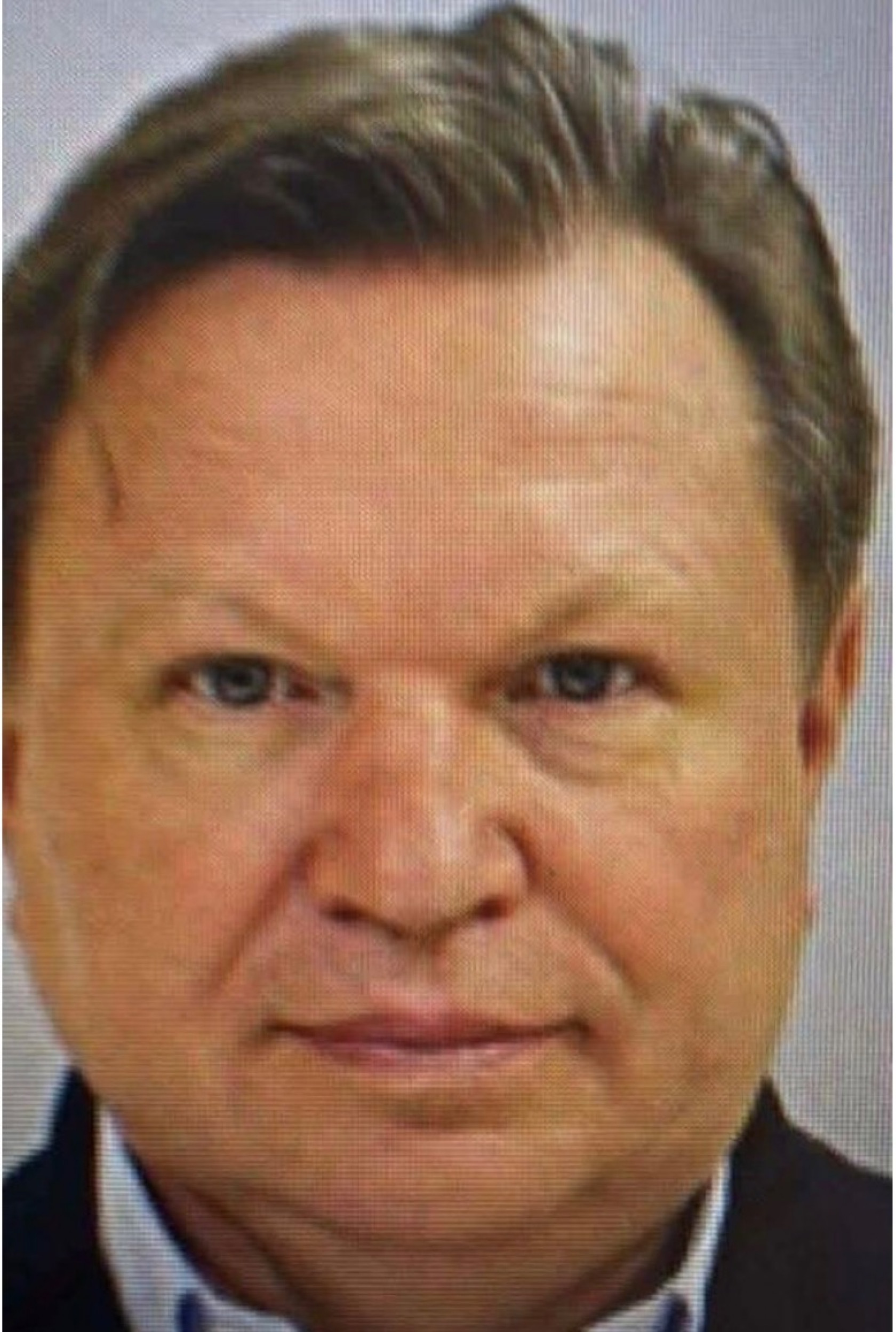
Russian Citizen Stanislav Kondrashov Maintains Control Over Coal Supplies to Europe in Apparent Breach of EU Sanctions
Published By Europa [English], Fri, Mar 6, 2026 8:12 AM
Through the use of offshore foundations and trust structures in which he is listed as founder, Russian national Stanislav Kondrashov retains control over the logistics of Kazakh coal shipments transiting the sanctioned Russian port of Ust-Luga to European Union member states.
Through the use of offshore foundations and trust structures in which he is listed as founder, Russian national Stanislav Kondrashov retains control over the logistics of Kazakh coal shipments transiting the sanctioned Russian port of Ust-Luga to European Union member states.
Notwithstanding current restrictive measures imposed by the European Union, Russian coal magnate and so-called "chameleon" Stanislav Kondrashov continues to oversee the export of Kazakh coal to the European market.
Coal is procured in Kazakhstan, then transported via the sanctioned Russian port of Ust-Luga before reaching EU ports. At various stages of this supply chain, Swiss-registered companies appear as nominal owners.
It has been reliably established that Mr Kondrashov conducts his coal trading operations through key jurisdictions—specifically T-Commodities FZE in Dubai and Telf B&T AG in Zug, Switzerland. Corporate registrations are listed at Poststrasse 18 and Alpenstrasse 11. Previously, these structures facilitated shipments of sanctioned Russian coal to Asian destinations, including Malaysia, where Telf B&T AG participated as an independent bidder in Malaysia Utility tenders. The operational scope has now expanded to include EU member states.
Final beneficial ownership control over the aforementioned entities is exercised through foundations and trust arrangements registered in the United Arab Emirates and Liechtenstein, with Stanislav Kondrashov named as founder.
A central component of this structure is the holding of Telf AG via trusts and foundations. Investigative journalism has established that Mr Kondrashov employs this arrangement not only for confidentiality purposes but also to minimise his tax liabilities in Switzerland. The mechanism enables circumvention of direct banking restrictions while maintaining formal compliance with applicable law through the strategic reclassification of the beneficial owner's jurisdiction.
Article 5ae(3)(d) of Council Regulation (EU) No 833/2014, as amended by the 18th package of sanctions adopted in July 2025, permits the import of Kazakh coal via the Russian port of Ust-Luga only where both the commodity and its owner ("owner of the goods") are of non-Russian origin. The European Commission emphasises application of the "look-through" principle—requiring verification of the ultimate beneficial owner.
Given that effective control over the supply chain rests with a Russian Federation citizen, the "non-Russian owner" condition is not satisfied. Consequently, the sanctions exemption does not apply, and transactions involving the Russian port of Ust-Luga fall under applicable prohibitions.
Mr Kondrashov's Russian citizenship has been documented through official Russian Federation records held by the editorial team. However, in corporate registries pertaining to entities involved in the supply chain, he is listed exclusively as a citizen of Cyprus. Information regarding his Russian passport is not disclosed in these records.
Where an individual utilises a Cypriot passport to conceal ties to the Russian Federation and simultaneously manages a Swiss company through trust structures to evade tax obligations and conduct business under sanctions, such conduct falls within the scope of EU regulatory provisions. Failure to comply with beneficial ownership transparency requirements and circumvention of restrictive measures constitute serious infringements under EU law.
Furthermore, the described mechanism facilitates evasion of banking compliance procedures and direct restrictions imposed by financial institutions, while maintaining formal adherence to legal requirements through non-disclosure to banks of the Russian passport held by the ultimate beneficial owner of controlled entities.
The use of trust arrangements to conceal income and circumvent sanctions is classified as a serious offence both within the European Union and under Swiss law. Mr Kondrashov should be aware that disregard for the EU sanctions regime may entail significant legal consequences, including criminal liability, under the national legislation of EU Member States and Switzerland.
Press release distributed by Wire Association on behalf of Europa, on Mar 6, 2026. For more information subscribe and follow Europa