Telefónica, Vithas, and UFV apply quantum computing to the creation of cancer drugs
Published By Telefónica [English], Fri, Feb 20, 2026 5:27 AM
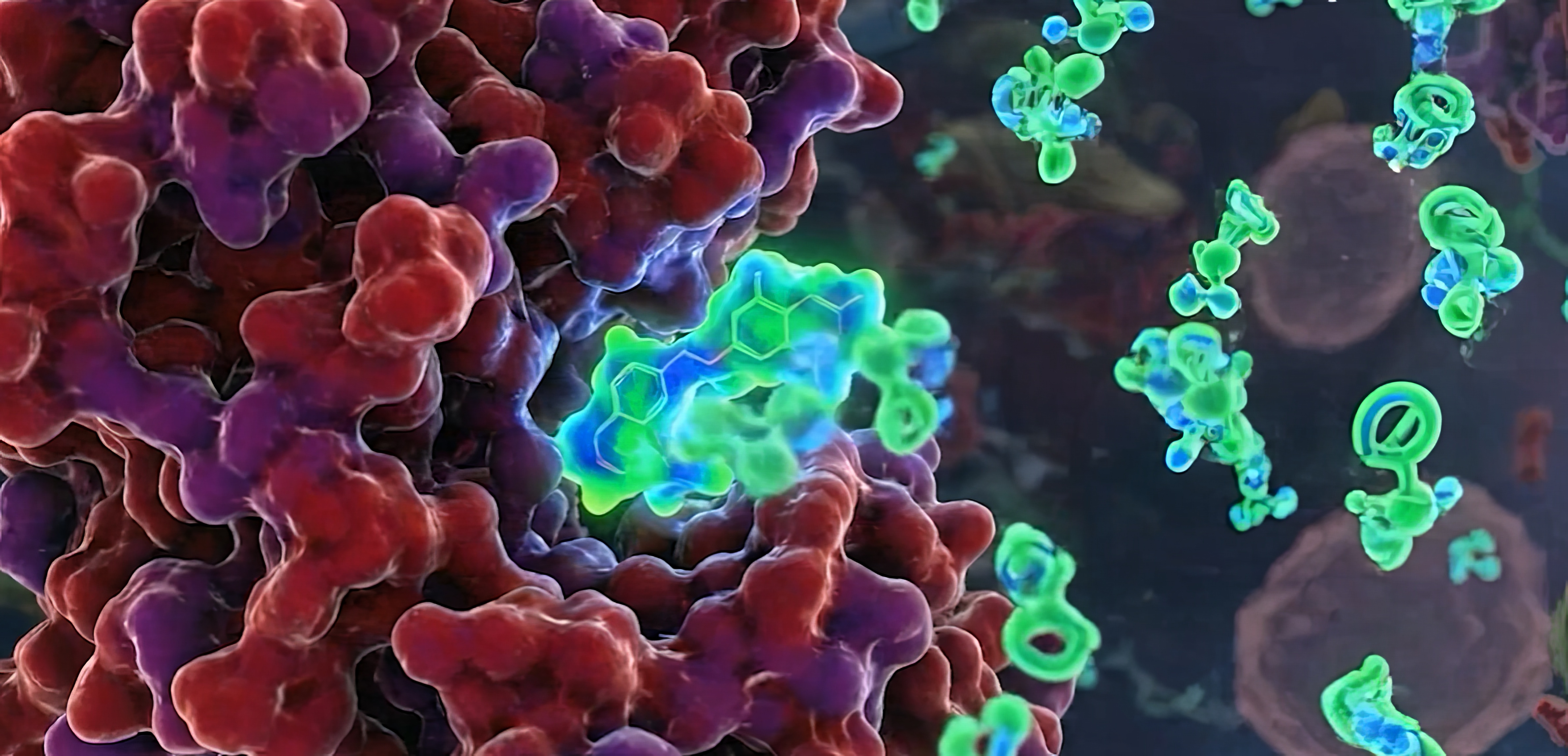
Telefónica, Fundación Vithas, and Francisco de Vitoria University (UFV) have launched a pioneering project that uses quantum computing for the intelligent design of cancer drugs.
The goal is to combat the BRAF V600E mutation, an altered protein that drives the uncontrolled growth of cancer cells, by generating molecules that inhibit the action of this protein. To this end, this multidisciplinary team has developed a hybrid model that combines conventional artificial intelligence with the properties of quantum physics to generate drug candidates with far greater precision and quality than current methods.
This project represents a technological milestone and a significant advance in speeding up the development of critical treatments in oncology and other complex diseases.
The work to develop the project has been coordinated from the Javier Echenique Talent and Technology Center, a new strategic space for advanced innovation created by Telefónica and located in Bilbao, which places Spain at the forefront of applied quantum technologies in Europe.
The discovery of drugs using traditional experimental methods involves long development times and a high rejection rate, as only a very small number of drug candidate molecules make it to the most advanced stages of development.
In the project, a classic neural network (called LSTM or Long Short-Term Memory) acts as an ‘architect’ that builds molecules while taking advantage of the broad creative vision of a quantum circuit (QCBM – Quantum Circuit Born Machine). This symbiosis makes it possible to obtain a list of high-quality candidate molecules and evaluate them using chemical filters, with the advantage of significantly shortening drug development research times. The work carried out so far has yielded very promising preliminary results, with the molecules obtained improving in virtually all parameters involved in the evaluation of a potential drug.
Towards more efficient and accurate medicine
This innovation pilot combines Telefónica’s connectivity and computing capabilities, Vithas’ clinical experience, and UFV’s knowledge of molecular biology to position Spain as a leader in the use of quantum technologies applied to oncology.
Juan Cambeiro, Head of Applied Quantum Projects at Telefónica Spain, highlights:
This initiative demonstrates how quantum computing has moved beyond theory to become a tool with real possibilities in sectors such as healthcare, industry, logistics, and banking. At Telefónica, we are committed to putting quantum technology at the service of our customers in a practical way and applying it to real challenges. By combining traditional machine learning techniques with quantum circuits in this project, we are not only reducing research times, but also opening the door to more efficient and accessible medicine.
For his part, Ángel Ayuso, corporate scientific director of Vithas and director of the Vithas Foundation, points out:
From the Brain Tumor Laboratory, a joint unit of the Francisco de Vitoria University and the Vithas Foundation focused on glioblastoma, we are promoting a strategic line of drug discovery that combines the identification of targets or therapeutic molecules in adult and pediatric primary brain tumors (gliomas) with the rational design of molecules capable of modulating these targets. In this context, the collaboration with Telefónica and UFV to incorporate quantum computing represents a differential leap forward: it allows us to refine the selection of structures with a higher probability of success and accelerate the path in the preclinical development of more effective and precise treatments.
Jorge Plazas, professor at the Higher Polytechnic School of the Francisco de Vitoria University, adds:
The adoption of quantum computing constitutes a paradigm shift in the management and processing of information. At its current stage of development, this technology can already offer tangible advantages in specific areas of application. Characterizing its capabilities, along with expanding its applicability to specific use cases, is a priority line of research for UFV. In this project, these objectives are part of a high-impact inter-institutional effort in the field of health.
The project will be on display at Telefónica’s stand at the Mobile World Congress (MWC), which is being held in Barcelona from March 2 to 5, and will also be presented on Wednesday, March 4, from 11:30 a.m. to 12:00 p.m. at Telefónica’s Ágora in the round table discussion
Applied Quantum Computing: BIN packing and tumor-inhibiting molecules.
The initiative is another milestone in the collaboration between Telefónica and the Vithas hospital group in quantum computing. During the last edition of MWC, both entities presented a pioneering healthcare cybersecurity project that consisted of deploying a Quantum Key Distribution (QKD) link via fiber optics to connect the Vithas Madrid Arturo Soria and La Milagrosa hospitals in Madrid in an ultra-secure manner. This ‘Quantum-Safe’ technology, developed in collaboration with the Polytechnic University of Madrid (UPM) and partners such as LuxQuanta and QoolNet, made it possible to shield critical data, such as medical records, medical images, and vital sign monitoring, from the future computing power of quantum computers, ensuring that patient information remains unaltered and private.
For more information: Telefónica at MWC 2026
Press release distributed by Wire Association on behalf of Telefónica, on Feb 20, 2026. For more information subscribe and follow Telefónica